Robert Bell's
Wines of Canada
Since 1992
Featured Winery Team
The Wine Barrel
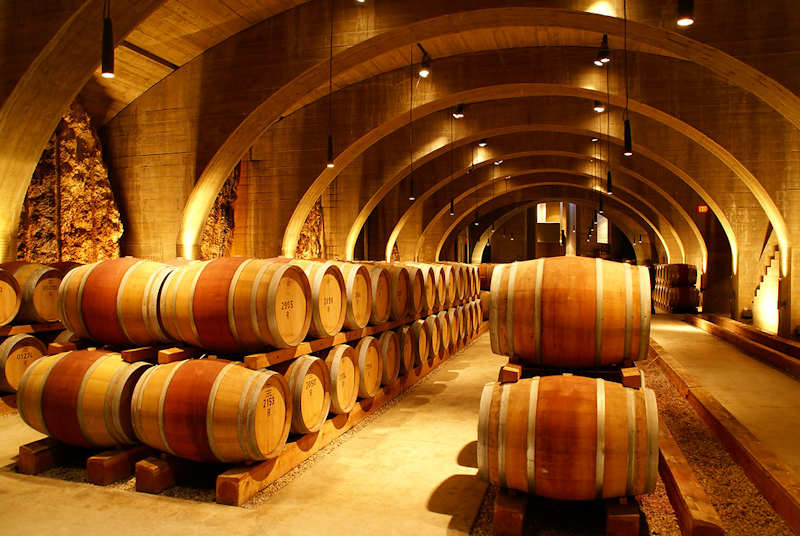
Wine barrels are used to enhance the flavor, texture, and aging process of wine through controlled oxygen exposure and the infusion of wood-derived compounds.
The main reason for the use of barrels in winemaking is a process called micro-oxygenation. This means that a small amount of air passes through the grains in the wood and softens or ages the wine inside.
Wooden containers have been used to store and transport liquids for a long time. Wooden tubs formed by bound staves had been displayed in ancient Egyptian wall paintings dating back to 2600 BC. The primary application of these tubs was for measuring wheat, although they also became grape harvest containers, beginning in 1900 BC.
The Celts are known for creating the first wooden barrels with great accuracy. They began making barrel-shaped wooden containers made from curved staves joined with metal hoops as early as 350 BC. The barrels are strong and waterproof and roll away quickly, a quality none of the clay amphorae could boast, for they were fragile and cumbersome in transport.
Soon enough, the Romans also saw the advantages of wooden barrels and employed them to store wine, beer, olive oil, and other crowded goods. The stacking and easy moving of barrels thus greatly enhanced trade and commerce. The barrel-making techniques evolved better over time and coopers became essential labor in different trades.Oak barrels became popular during the Roman Empire because they were lighter and more durable than clay amphorae. Their ease of transport and ability to improve wine quality made them the vessel of choice. The slow interaction between wine and wood can add roundness and body, making the wine feel smoother and more luxurious on the palate. -
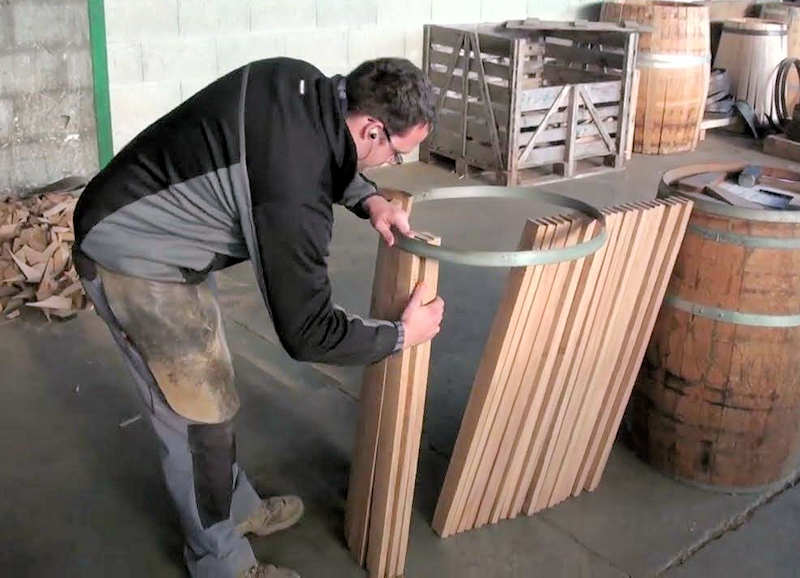
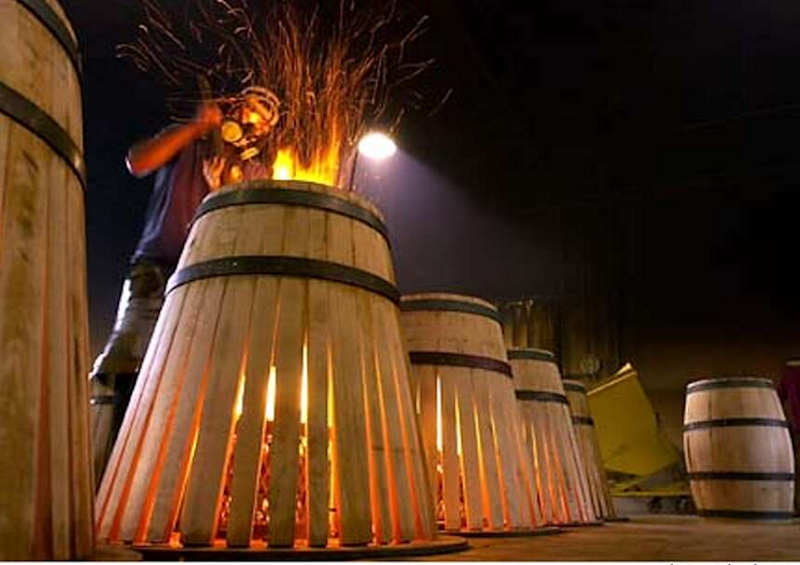
Making a wine barrel is a centuries-old craft called cooperage, involving precise woodworking, heat, and skilled assembly to create a watertight vessel without glue or nails.
The inside of the barrel is toasted (chard is more dramatic used for whiskey) over an open flame. This step is crucial—it caramelizes the wood’s sugars and releases aromatic compounds like vanillin, spice, and smoke. The level of toasting (light, medium, heavy) affects the flavor profile the barrel imparts to the wine.
Oak is used for wine barrels because it enhances flavor, allows controlled oxygenation, and is durable and easy to shape—making it ideal for aging wine.
Type Origin Flavour Grain Use French Oak France Subtle spice, silkier tannins Tight Fine red and white wines American USA Bold vanilla, coconut, dill notes Wide Bourbon, bold reds Hungarian Eastern Europe Earthy, spicy, between French/US Medium Value-driven wines While Oak dominates other woods have been used including Chestnut, Acacia,Cherry, Mulberry and Maple
The wines most commonly aged in oak barrels are full-bodied reds like Cabernet Sauvignon, Merlot, and Syrah, as well as rich whites like Chardonnay. Oak aging enhances complexity, texture, and flavor, making it a popular choice for premium wine.
Wine Region Oak Aging Purpose Flavour impact Chardonnay North America Adds richness, creaminess, and complexity Vanilla, butter, toast, spice Cabernet Sauvignon Canada /Bordeaux Softens tannins, adds structure and aging potential Cedar, tobacco, vanilla, spice Merlot Bordeaux/ NA Enhances roundness and depth Mocha, plum, vanilla Syrah/Shiraz Australia Adds smoky, spicy notes and smooths tannins Smoke, pepper, dark chocolate Zinfandel California Balances bold fruit with oak sweetness Vanilla, cinnamon, jammy fruit Tempranillo Spain Traditional long oak aging for complexity coconut, spice Malbec Adds polish and depth to bold tannins Cocoa, vanilla, clove Pinot Noir Subtle oak to enhance delicate structure Earth, toast, subtle spice
Only about 3-4 % 0f all wine produced is aged in barrels. Why! Barrel aging is expensive, labour-intensive and time consuming. It also requires space. single new French oak barrel can cost $800–$1,500, and it holds only about 225 liters (roughly 300 bottles). Over time a concrete tank is more economical. Stainless steel tanks are significantly cheaper than both oak barrels and concrete tanks, especially when considering cost per liter and long-term durability
Recently Canadian Oak has entered the picture. Canadian oak offers a unique flavor profile—often described as a balance between French and American oak.
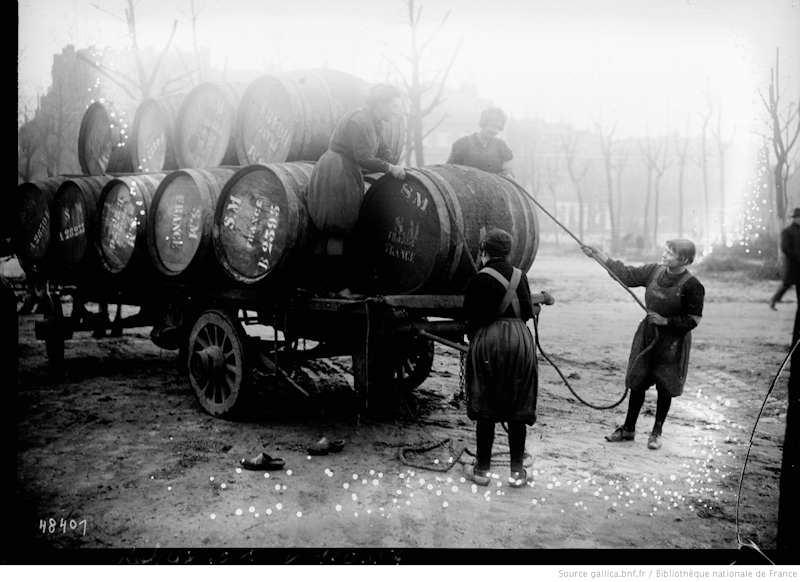
Bordeaux, women unloading wine barrels, 1916

If you enjoyed this website and want a way to support me, you can help by advertising on our web page. See our new wedding page.
Our blog
Wonders of Wine and Food
Home | About | Sitemap | Support |Facebook| Contact Us |©2026 Robert A Bell
Wines of Canada was developed and designed by Robert (Bob) Bell of Whi make or sell wine. Support is welcome as are suggestions and comments; should you see something that needs to be corrected please let us know.